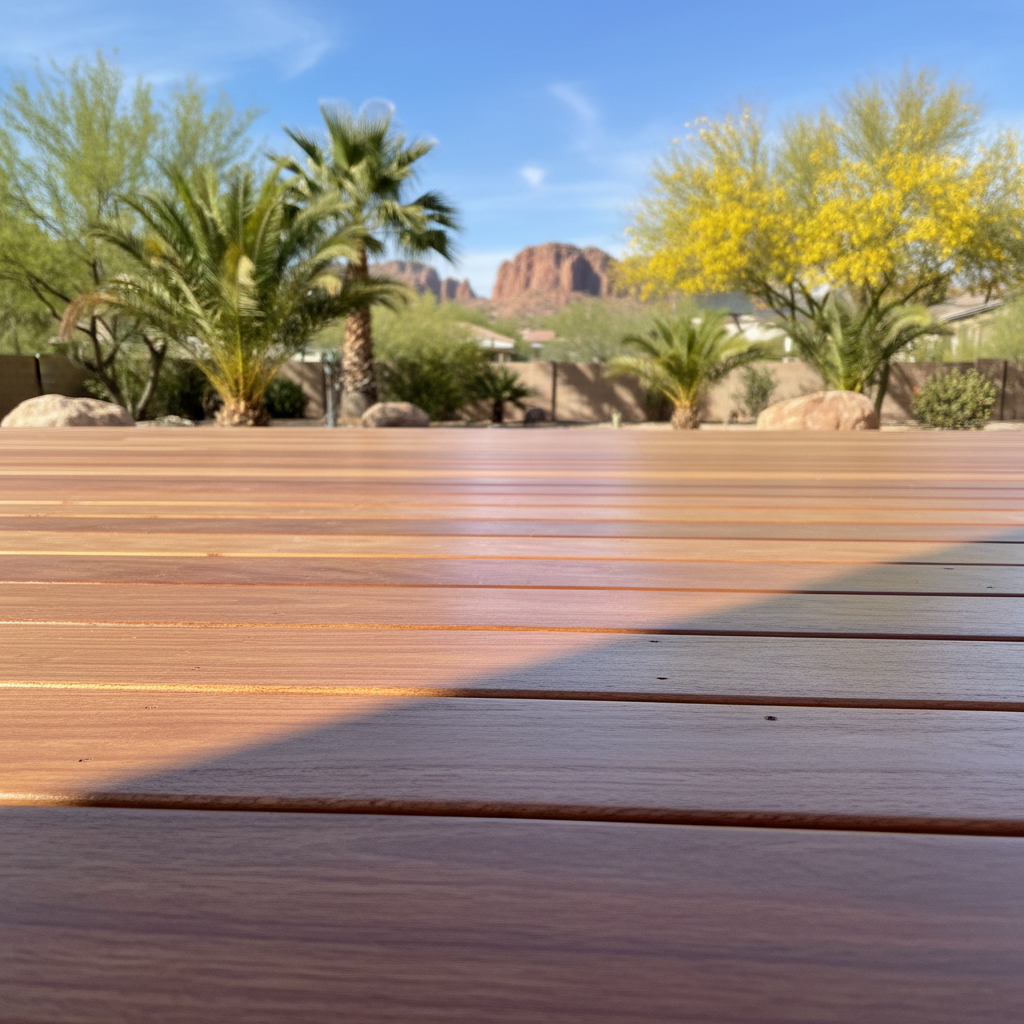
You're probably wondering if a wood deck makes sense for your Queen Creek home. I get it. With our intense sun and monsoon season, folks often have a lot of questions about how wood holds up. Let's tackle some of the most common ones I hear.
Is a wood deck a good choice for Queen Creek's climate?
Absolutely, it can be, but you've got to pick the right wood and treat it right. People often think wood just can't handle our desert heat, but that's not entirely true. The biggest enemies of wood here are UV rays, extreme temperature swings, and the occasional heavy monsoon rain. Oh, and termites, of course. Certain woods, like redwood or cedar, naturally resist rot and insects better than, say, a standard pine. But even with those, regular maintenance is key. If you're willing to put in the work, a wood deck provides a classic look and feel that composite just can't replicate. It's all about managing expectations and understanding the commitment.
What's the best type of wood for a deck in Queen Creek?
When I'm talking to folks around neighborhoods like Johnson Ranch or Cortina, I usually steer them towards a few options. Pressure-treated pine is common because it's affordable and readily available. It's treated to resist rot and insects, which is a big plus here. However, it can warp and check (crack) more than other woods if you don't seal and maintain it properly. Redwood and cedar are excellent choices if your budget allows. They naturally resist decay and insects, and they hold up well to UV exposure, though they'll still gray over time if not regularly sealed. Exotic hardwoods like Ipe or Tigerwood are incredibly dense and durable; they're almost impervious to rot and insects, and they look stunning. They're also the most expensive and hardest to work with, but they'll last a lifetime with proper care. For most homeowners, pressure-treated pine or cedar strikes a good balance between cost and performance, especially if you're committed to maintenance.
How often do I need to seal or stain my wood deck?
This is probably the most asked question, and there's no single answer. In Queen Creek, with our brutal sun, you'll need to re-seal or re-stain more often than someone in a milder climate. For most wood decks, especially pressure-treated pine, I recommend cleaning and re-sealing every one to two years. If you're using a high-quality stain with UV inhibitors, you might stretch it to three years. Redwood and cedar might go a bit longer, maybe two to three years, before needing a refresh. Exotic hardwoods like Ipe can go even longer, sometimes five years or more, before needing an oil treatment to maintain their color. They'll still be structurally sound even if left to gray, though. The key is to watch for signs of fading, dryness, or water soaking into the wood instead of beading up. Don't wait until the wood looks completely weathered; preventative maintenance is always easier than restoration.
What kind of maintenance does a wood deck require?
Beyond sealing and staining, there's a bit more to it. First, keep it clean. Sweep off leaves and debris regularly. Power washing can be great for a deep clean, but be careful not to use too high a pressure setting, or you'll damage the wood fibers. A good deck cleaner can help remove mildew and dirt. Check for loose nails or screws and re-secure them. Look for any splinters or rough spots and sand them down. Keep an eye out for any signs of insect activity, especially termites, which are a constant threat in Arizona. If you see any, address it immediately. Also, make sure vegetation isn't growing up against the deck, as that can trap moisture and encourage rot. It's not a set-it-and-forget-it deal, but the upkeep isn't overwhelming if you stay on top of it.
Can a wood deck get too hot in the Arizona sun?
Yes, any deck material can get hot in our summer sun, but wood generally fares better than many composite options when it comes to surface temperature. While a dark composite deck can become scorching hot, often reaching 150-160°F or more, wood tends to absorb less heat. Lighter-colored woods or those treated with lighter stains will reflect more sunlight and stay cooler. You'll still want to wear sandals on a 115°F day, but you're less likely to burn your feet on wood compared to some other materials. It's a noticeable difference, especially if you plan on spending time barefoot on your deck.
What's the typical lifespan of a wood deck in Queen Creek?
This really depends on the wood type and, more importantly, how well you maintain it. A pressure-treated pine deck, with consistent cleaning, sealing, and minor repairs, can last 15-25 years. Cedar and redwood decks, given their natural resistances, often push past 20-30 years with good care. Exotic hardwoods like Ipe? Those can easily last 40-50 years, sometimes even longer, becoming a truly generational feature of your home. Without proper maintenance, though, even the best wood will start to deteriorate much faster. Neglect a pressure-treated deck for five years in this climate, and you'll be looking at significant repairs or even replacement. It's a direct correlation: the more you put into its care, the longer it'll serve you well.
Do I need a permit to build a wood deck in Queen Creek?
Most likely, yes. Any new construction or significant alteration to your home, including building a deck, usually requires a permit from the Town of Queen Creek. This isn't just bureaucracy; it's to make sure the deck is built safely and to code, protecting you and your investment. Things like proper footings, railing height, and structural integrity are all checked. As a local contractor, Done Right Decks of Queen Creek handles the entire permitting process for you. It's part of ensuring your deck is not only beautiful but also safe and compliant with all local regulations. Don't skip this step; it can cause big headaches down the road if you try to sell your home or if there's ever a structural issue.
Building a wood deck is a great way to add value and enjoyment to your home. Just make sure you're making informed choices and are ready for the maintenance involved. If you've got more questions, or you're ready to get a quote, give us a call.