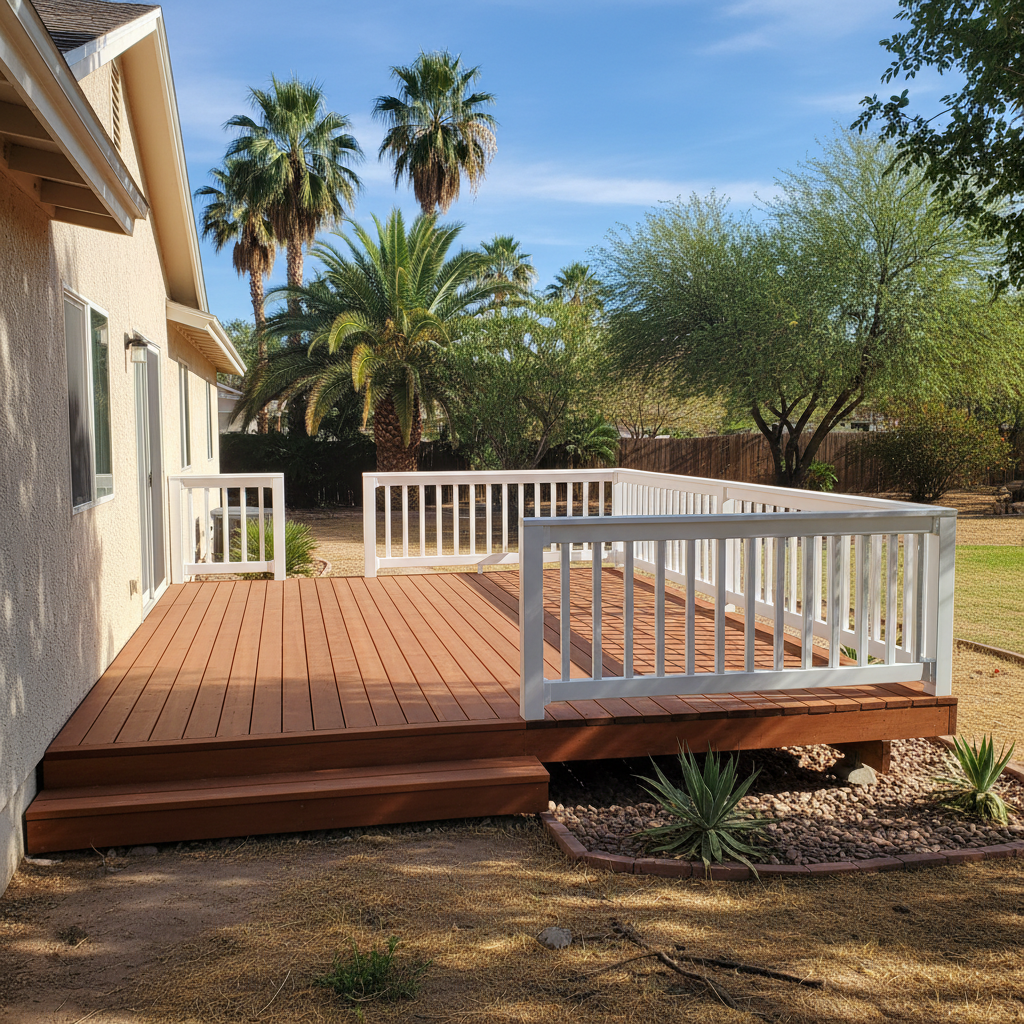
You've got a deck, and just like any other part of your home, it's going to need some attention eventually. But here in Queen Creek, "eventually" isn't just about normal wear and tear; it's also about our wild weather. Knowing when to schedule those repairs and what to expect can really save you a lot of headaches — and money — down the road.
Understanding Queen Creek's Climate and Your Deck
Our desert climate is pretty unique, isn't it? We get those scorching summers, mild winters, and then monsoon storms that just pop up out of nowhere. This isn't like building a deck in, say, Oregon. The extreme heat, super intense UV exposure, and sudden downpours all put a ton of stress on your deck's materials, whether it's wood or composite.
For wood decks, that constant expansion and contraction from temperature swings can lead to cracking, warping, and fasteners loosening up. Composite decks are definitely tougher, but even they can fade or show signs of wear from the relentless sun. And then there's the ground itself here – that hard caliche soil doesn't always drain perfectly, which can cause issues with deck footings if they weren't installed deep enough or done right the first time.
When to Schedule Deck Repairs: Timing is Everything
So, here's the scoop: the best time for most big deck repairs – things like replacing boards, structural fixes, or even a full resurfacing – is usually during the cooler months. Think late fall, winter, and early spring. From about October through April, the temperatures are much more agreeable for both the materials we're using and the crew working on your deck.
- Fall (October-November): This is prime time. The summer heat has finally broken, but it's not too cold yet. Wood has had a chance to dry out from any monsoon moisture, and it's less likely to expand or contract wildly during installation. Plus, demand for contractors might be a little lower than in spring, which is nice.
- Winter (December-February): Still a good window, especially for structural work. The cool, dry air is perfect for things like concrete footings to cure properly if we're doing any foundation work. We just need to watch out for those rare cold snaps or unexpected rain, naturally.
- Early Spring (March-April): Another excellent period. You can get those repairs done before the real heat kicks in. Just be aware that this is when everyone else starts thinking about their outdoor spaces, so scheduling can get tighter, fast.
What about summer? Honestly, it's brutal. Working on a deck in 110-degree heat isn't fun for anyone, and it can absolutely affect the quality of the work. Adhesives might cure too fast, stains might not penetrate correctly, and wood can warp almost immediately if not handled just right. We can certainly do minor fixes, but for bigger jobs, you're better off waiting.
Weather Conditions That Affect the Work
It's not just the temperature, either. Here's what else we're always keeping an eye on:
- Rain: Obvious, right? We can't stain or seal a wet deck. And working on wet wood isn't safe or effective at all. Monsoon season means we often have to schedule around those afternoon downpours.
- High Humidity: Even without rain, high humidity can affect how wood dries and how stains or sealants stick.
- Wind: Strong winds can blow debris around, make cutting materials accurately much harder, and mess with paint or stain application.
- Extreme Heat: We already talked about this one. It's tough on materials, and it's tough on people.
When you call us at Done Right Decks of Queen Creek, we'll always look at the forecast and give you advice on the best timing for your specific repair. We want to do the job once, and do it right.
Protecting Your Deck Investment Year-Round
Once those repairs are done, or even if your deck is in pretty good shape already, year-round protection is super important. Here's what you can do:
- Regular Cleaning: Sweep off debris regularly. Use a deck cleaner made for your material to wash it down at least once a year, preferably in the fall after the dust and monsoons have settled.
- Sealing/Staining: For wood decks, this is non-negotiable in our climate. A good quality sealer or stain protects against UV damage, moisture, and general wear. You'll probably need to reapply every 1-3 years depending on the product and how much sun it gets. Even if your deck looks okay, if water isn't beading on the surface, it's time to act.
- Inspect Annually: Take a walk around your deck once a year. Look for loose fasteners, splintering wood, wobbly railings, or any signs of insect activity. Catching small issues early prevents them from becoming big, expensive problems later on.
- Trim Landscaping: Keep plants and trees trimmed back from your deck. This helps air circulate better, reduces moisture buildup, and keeps pests away.
Your deck is an extension of your home, and with a little seasonal planning and regular care, it'll serve you well for years to come. Don't let our Queen Creek sun and storms get the best of it!