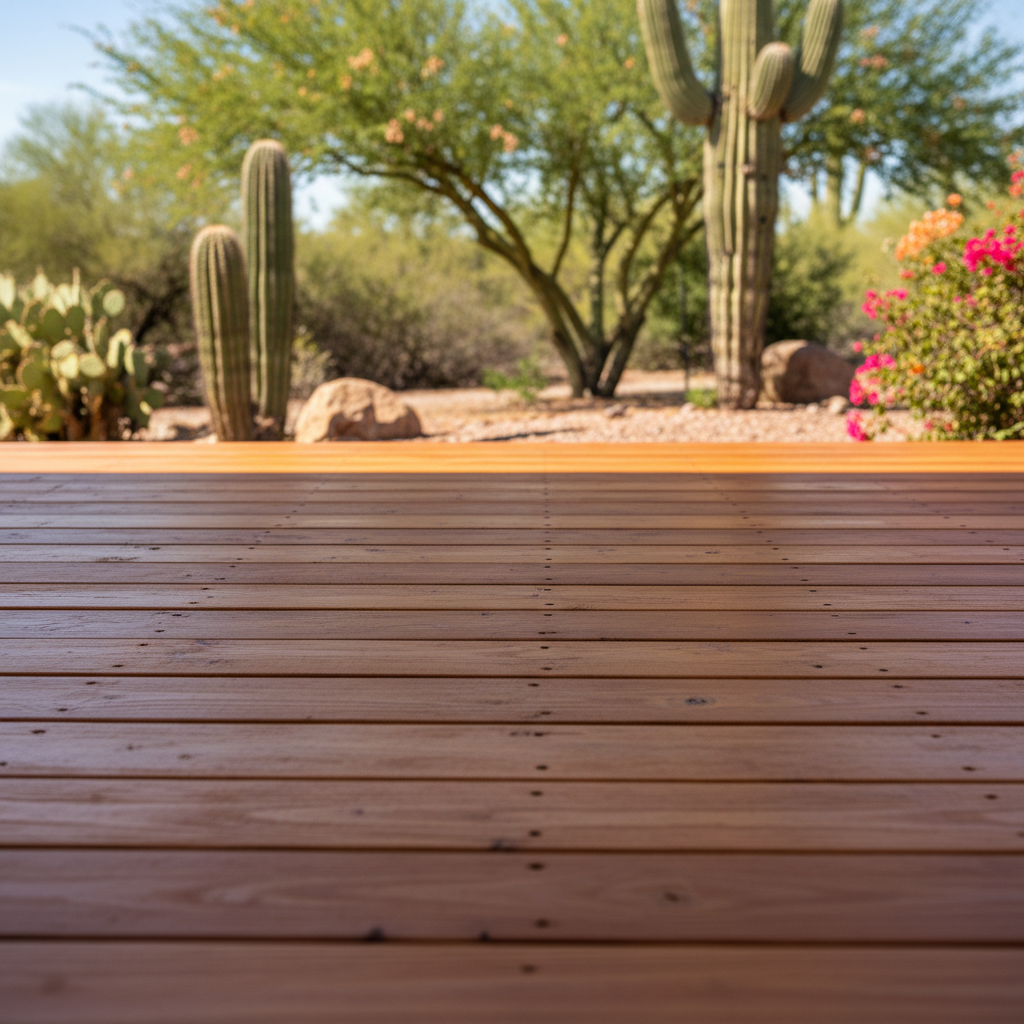
Alright, so your deck's looking a little tired, huh? Maybe the Arizona sun has bleached it out, or it's just not popping like it used to. You're probably thinking about slapping on some paint or stain to bring it back to life. Good idea! A fresh coat can really transform your outdoor space. But before you dive in, let's talk about what you need to know to make sure it actually looks good and actually lasts.
Paint vs. Stain: What's the Difference for Your Deck?
This is the first big decision you'll make, and it's not just about picking a color. It's about how much of your deck's natural beauty you want to show off, and frankly, how much maintenance you're willing to do down the road.
- Stain: Stains are designed to soak into the wood, not just sit on top like a film. They come in transparent, semi-transparent, and solid varieties. Transparent and semi-transparent stains let the wood grain peek through, which is awesome if you've got a beautiful cedar or redwood deck. Solid stains offer more color and hide more imperfections, but you still get a bit of that wood texture. Stains generally wear down over time, fading or thinning, rather than peeling. This makes re-application a bit easier; often, you just clean and re-stain.
- Paint: Paint forms a solid, opaque film on the surface of the wood. It completely covers the grain and gives you a uniform color. If your deck wood isn't in the best shape, or you just want a bold color statement, paint is a good choice for hiding those flaws. The downside? Paint can peel, chip, and crack, especially with our intense Queen Creek sun and those wild temperature swings. When it's time to re-paint, you'll likely have to do a lot more prep work, like scraping and sanding, to get a smooth surface.
My advice? For most wood decks, especially if the wood itself is in decent shape, I usually lean towards a good quality solid or semi-transparent stain. It just holds up better to the elements here and is less of a headache to maintain long-term.
Before You Start: Prep is EVERYTHING
Seriously, skip the prep, and you're just wasting your time and money. The finish won't stick, it'll look terrible, and it'll fail way faster than it should. This is where most DIYers mess up, plain and simple.
- Clean it Up: First, sweep off all the loose debris. Then, you need to deep clean. Use a good deck cleaner (follow the directions carefully!) and a stiff brush, or a pressure washer. If you use a pressure washer, be careful not to use too high a setting or hold it too close, or you'll gouge the wood. You're trying to remove dirt, mildew, algae, and any old, loose finish. Rinse thoroughly.
- Let it Dry: This is critical. Your deck needs to be BONE DRY before you apply anything. In Queen Creek, that usually means at least 2-3 sunny days after cleaning, maybe more if it's been humid or we've had rain. Moisture trapped under the finish is a recipe for peeling and bubbling.
- Sand it Smooth: If you're painting, or if your deck is rough, splintery, or has a lot of old, flaking finish, you'll need to sand. A pole sander with 60-80 grit sandpaper works for most decks. Get rid of those splinters and create a surface the new finish can grab onto.
- Repair and Replace: Now's the time to fix any loose boards, hammer down popped nails, or replace rotten sections. Don't paint over problems; fix 'em.
During the Project: Application Tips
You've prepped, now for the fun part!
- Check the Weather: Don't try to stain or paint on a super hot, sunny day. The finish will dry too fast, leading to lap marks and poor adhesion. Aim for a day between 50-85°F, with no rain in the forecast for at least 24-48 hours. Early mornings or late afternoons are often best here in Queen Creek, before the sun really starts baking everything.
- Work in Sections: Don't try to do the whole deck at once. Work on a few boards at a time, from one end to the other, maintaining a wet edge to avoid lap marks.
- Thin Coats are Best: Whether it's paint or stain, two thin coats are always better than one thick coat. It dries more evenly and adheres better.
- Tools Matter: Use a good quality brush, roller, or pad applicator. For stains, a pad applicator often gives the most even finish. For paint, a roller followed by back-brushing works well.
- Don't Forget the Sides: Make sure you get the edges and undersides of the boards too, especially if they're exposed.
After the Project: Curing and Maintenance
You're not quite done when the last coat goes on. The finish needs time to cure.
- Stay Off It: Give it at least 24-48 hours before walking on it lightly, and a few days to a week before putting furniture back or having a party. Read the product label for specific cure times.
- Regular Cleaning: Keep it clean! Sweep off leaves and dirt regularly. A gentle wash with a hose and a soft brush once or twice a year will help prevent mildew and grime buildup.
- Watch for Wear: Keep an eye on high-traffic areas. You'll likely see wear there first. Addressing these spots with a quick clean and re-coat as needed will extend the life of your entire deck finish.
DIY or Call a Pro?
This is a big one. Cleaning and staining a small, simple deck? Most homeowners can handle that with a weekend and some elbow grease. But if your deck is large, multi-level, has a lot of intricate railings, or is in really rough shape, you might want to think about calling in the pros.
Pressure washing incorrectly can damage wood. Improper sanding can leave gouges. And trying to get a perfectly even finish on a complex deck can be frustrating and lead to a splotchy mess. If you're not confident in your skills, or you just don't have the time, it's worth getting a quote from a company like Done Right Decks of Queen Creek. We do this stuff day in and day out, and we've got the tools and experience to make sure it's done right, the first time.
Ultimately, a well-maintained deck adds value and enjoyment to your home. Whether you DIY or hire it out, taking care of your deck is an investment that pays off.